
 English
  Français
  Español
  Português
  العربية
  Русский
  Bahasa Indonesia
  中文
中文 How to Inspect a Used Chinese Truck: The Full Checklist
A used truck can look freshly painted and still hide a tired engine, a cracked frame or a brake system that leaks down overnight. Knowing how to inspect a used Chinese truck properly is what separates a unit that earns for a decade from one that strands you in month two. This guide is the long-form method our own teams use before any HOWO or SHACMAN is shipped.
Documents, VIN and Chassis Number
Start with the paperwork on a clipboard, not the truck. Confirm the VIN on the chassis rail matches the chassis number stamped on the plate and the export documents. A mismatch — restamped numbers, a plate that does not sit flush, fresh paint only around the stamp — is a reason to stop the inspection entirely, regardless of how good the truck looks.
Check engine and gearbox numbers against the records if they are listed. Note the manufacture year honestly; a truck wears by hours and load, not just calendar age, but the year still drives resale and import eligibility in many countries. Any reputable used trucks for sale listing should have these numbers documented before you ever arrive.
Engine: Cold Start, Smoke, Leaks and Turbo
The single most revealing test is a genuine cold start, so insist the engine has not been pre-warmed. The WD615 and Weichai engines in most Chinese trucks should fire promptly and settle to a steady idle. Watch the exhaust: a brief puff of grey on a cold morning is normal, but persistent blue smoke means oil burning, white smoke that lingers points to coolant or injection trouble, and heavy black smoke under load suggests fuelling or air problems.
With the engine off, check for oil and coolant leaks around the head, the front and rear seals and the oil cooler. Grip the turbo shaft — a little rotational play is fine, but in-and-out axial play or fouling on the housing means the turbo is on its way out. If you can, a compression check across cylinders confirms the bottom end. A tired engine is repairable but it is the most expensive single item, so price it accordingly.
Gearbox, Clutch and Driveline
Drive it, do not just rev it in the yard. The clutch should bite cleanly without a high or grabby pedal; slip under load and a high biting point both signal a worn plate. Shift through every gear cold and again warm — crunching synchros, jumping out of gear, or a box that will not select cleanly are costly faults.
Underneath, check the propshaft universal joints for play, look for oil leaking from the gearbox tail and the differential, and listen for whine or knock from the diff on the road. Worn UJ bearings vibrate at speed and will leave the driver stranded if ignored. None of this is visible standing still, which is why a road test is part of any honest used heavy duty trucks inspection.
Frame, Cross-Members and Brakes
The chassis frame carries everything and cannot be bodged. Run your eye and your hand along both rails, paying attention to the cross-members, the suspension hangers and any mounting points — the rear of the cab and, on a tractor, the fifth wheel mount. Cracks, heavy rust-through and crude repair welds are walk-away faults; the frame is the truck.
For the air-brake system, build pressure with the engine and confirm it reaches working pressure promptly, then switch off and watch the gauge — a fast pressure drop means leaks. Inspect the chambers, the slack adjusters and the brake linings, and listen for air hissing at the valves and couplings. Brakes on a fully loaded heavy truck are not the place to compromise; this matters as much on a used dump trucks chassis as on a tractor.
Cab, Electrics and Tyres
Inside the cab, work every switch, the lights, indicators, wipers, gauges and the heater or air conditioning if fitted. Sketchy electrics are a nuisance that compounds over time and often hint at past flood damage or amateur repairs. Check the cab mounts and tilt mechanism, and look at the door seals and floor for rot or water ingress.
On tyres, 12R22.5 is the standard size for these trucks. Measure tread depth across the width, look for sidewall cracking from age and sun, and read the wear pattern: cupping or one-sided wear points to suspension, alignment or axle problems rather than just old rubber. A set of tyres is a real cost, so factor it into the price if they are near the end.
Body, Tipper Hydraulics and Refurbishment Scope
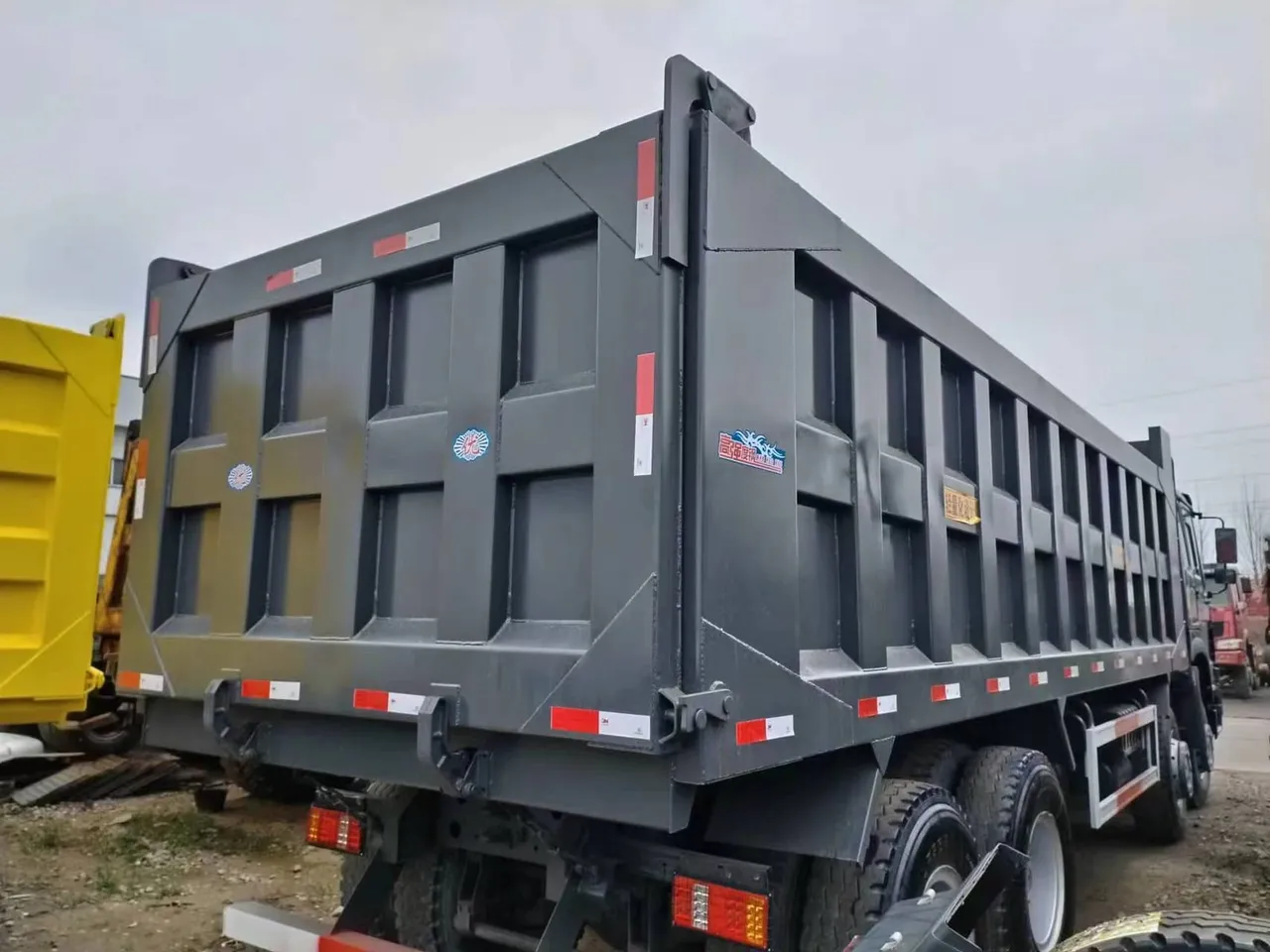
If the truck is a tipper, raise and lower the body fully. Watch for a slow or jerky lift, listen for the hydraulic pump straining, and check the rams, hoses and the tipping hinge for leaks and cracks. A body that drifts down under load has a hydraulic fault that needs sorting before the truck earns. Inspect the bed itself for thinning steel and crude patches. Our used dump truck buying guide covers tipper bodies in more depth.
Finally, pin down the refurbishment scope in writing. Ask exactly what was replaced versus cleaned: clutch, injectors, brakes, seals, tyres, paint. A clean used truck inspection checklist and honest refurbishment records are what let you compare two trucks fairly. This is why inspection records matter — they turn a gamble into a known quantity, and they are standard from any serious china used truck exporter.
Frequently Asked Questions
Why is a cold start so important when inspecting a used truck?
What faults should make me walk away from a used Chinese truck?
What is on a basic used truck inspection checklist?
Why do inspection and refurbishment records matter?
Every truck we export ships with documented inspection and refurbishment records — ask us for the full report on any unit.
Reply within 24 hours — or WhatsApp us at +86 199 6378 9330.