
 English
  Français
  Español
  Português
  العربية
  Русский
  Bahasa Indonesia
  中文
中文 Used Tanker Lorries for Sale — Water Bowsers & Fuel Tanker Trucks
Sigma Truck supplies used tanker lorries that have been mechanically inspected, repainted, and road-tested before shipment. Our stock covers water tanker trucks for dust suppression, municipal supply, and site operations, as well as fuel tanker trucks for petroleum distribution and bulk oil transport. All units are available in left-hand or right-hand drive and shipped CIF to approximately 40 countries across Africa and the Middle East.
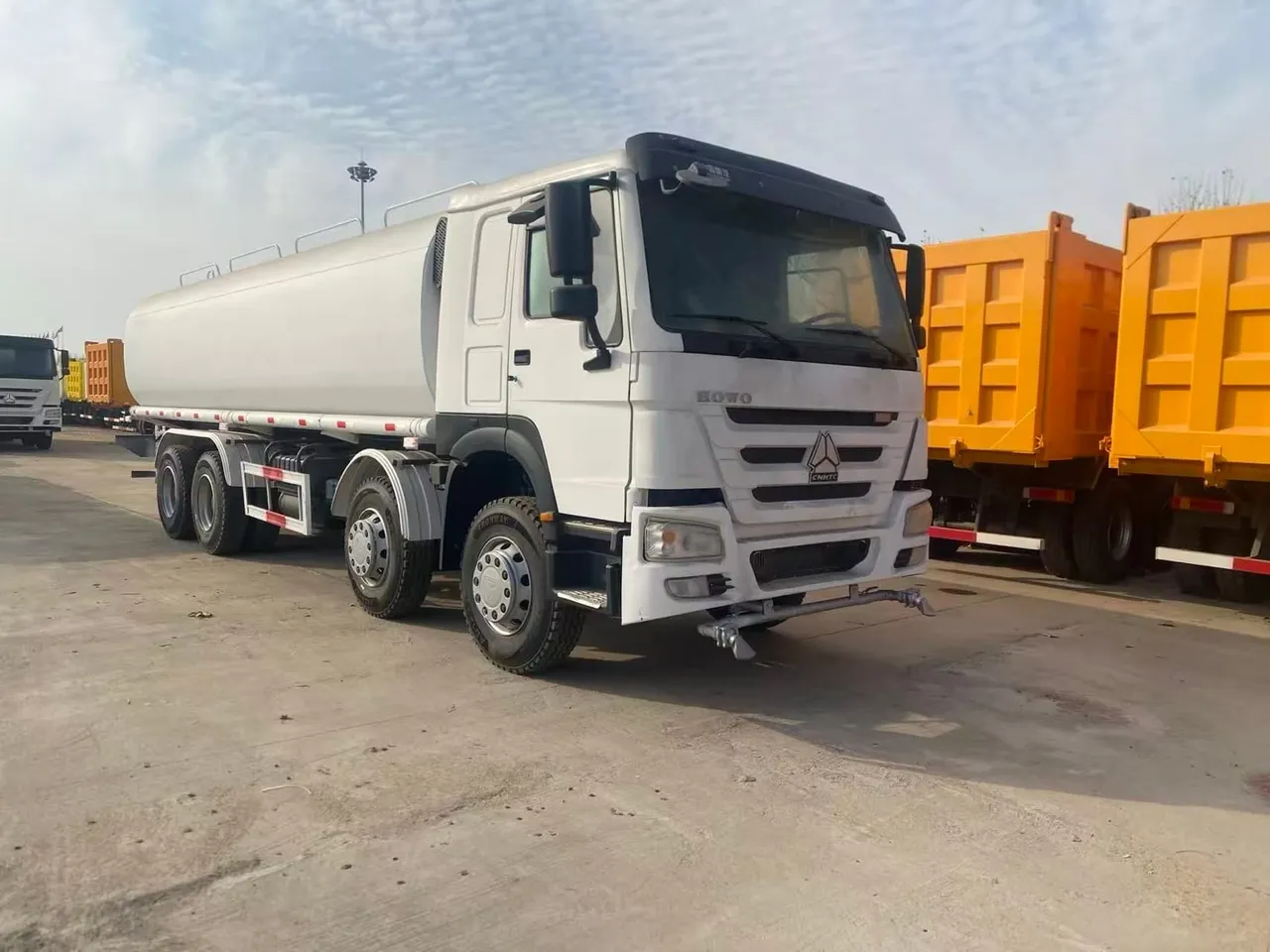
Types of Tanker Lorries We Stock
Not every tanker job is the same. A road-construction contractor in Uganda needs a water bowser that can fill quickly from a river or hydrant and spray a wide dust-suppression bar. A fuel distributor in Nigeria or South Africa needs baffled multi-compartment tanks, static-earthing cables, and emergency bottom shut-off valves. Across all liquid-haulage applications, specifying the correct tank metallurgy, compartment layout, and gross vehicle weight is essential. We supply four main categories:
- Water tanker trucks (water bowsers): Carbon-steel or mild-steel tanks, typically 15,000–25,000 litres. Used for road dust suppression, municipal water delivery, fire-fighting support, and mine-site water supply. HOWO 6×4 and 8×4 are our most-requested water bowser chassis.
- Fuel and oil tanker trucks: Aluminium or stainless-steel tanks with internal baffles, multiple compartments, bottom-loading valves, and earthing/bonding points. Suited to diesel, petrol, and lubricating-oil haulage. See our full fuel tanker truck listings.
- Chemical and liquid-cargo tankers: Stainless-steel or lined tanks for non-flammable industrial liquids. Available on inquiry; configurations vary by cargo type.
- Bulk cement and dry-bulk tankers: Pressurised or gravity-discharge tanks for cement, fly ash, and other powdered material — a related but distinct family from the liquid tankers above. We do not hold a bulk cement truck as standard stock, but can source one to order alongside your other tanker requirements.
All four types share the same chassis inspection process: engine compression test, gearbox fluid analysis, axle and differential check, and a documented pre-shipment inspection report.
Tank Materials and Capacities — What to Specify
Choosing the wrong tank material is an expensive mistake. Here is a straightforward guide:
| Tank Material | Best For | Typical Capacity | Key Advantage |
|---|---|---|---|
| Carbon steel (painted or coated) | Water, non-potable liquids | 15,000–25,000 L | Lower cost, easy local repair |
| Stainless steel (304 / 316) | Potable water, food-grade, some chemicals | 10,000–20,000 L | Corrosion-resistant, hygienic |
| Aluminium alloy | Petroleum products (diesel, petrol) | 15,000–25,000 L | Lightweight, reduces axle load, spark-safe |
Most buyers in East Africa and Southern Africa ordering a tanker truck for sale for water duties choose a 15,000-litre carbon-steel unit on a 6×4 chassis — it balances payload, road clearance, and local maintenance access. Buyers in the UAE and Iraq distributing fuel typically prefer aluminium tanks in the 20,000–25,000-litre range with full ADR-style fittings.
Tell us your cargo, your road conditions, and your target GVW, and we will match you to the right unit from current stock.
HOWO Water Tanker Trucks — 6×4 and 8×4 in Stock
The HOWO truck platform is the dominant choice for tanker conversions across sub-Saharan Africa and the Gulf. Parts availability, straightforward service procedures, and a robust powertrain make it practical for markets where dealer networks are thin.
HOWO 6×4 Water Tanker (15,000–18,000 L)
- Engine: WD615.47, 371 HP, six-cylinder turbocharged diesel
- Drive configuration: 6×4, twin rear drive
- Overall length: approximately 9.8 m
- Typical tank volume: 15,000–18,000 litres
- Tyre size: 12R22.5
- Typical uses: municipal water distribution, road construction dust suppression, rural water delivery
- LHD (standard) or RHD conversion available
HOWO 8×4 Water Tanker (20,000–25,000 L)
- Engine: WD615.47, 371 HP
- Drive configuration: 8×4, twin steer front axles
- Overall length: approximately 12 m
- Typical tank volume: 20,000–25,000 litres
- Tyre size: 12R22.5
- Typical uses: mining-site water supply, large municipal bowser contracts, bulk road-spraying on long stretches
- Higher payload capacity makes it the preferred water bowser for South African and Zambian mining operations
Both models are inspected for tank integrity (weld seams, baffles, pump fittings), cab condition, chassis rust treatment, and engine hours. Units that do not pass our inspection checklist are either reworked or withdrawn from stock.
Water Bowser Uses: Where These Trucks Work
A water bowser is one of the most versatile heavy trucks on any infrastructure or municipal fleet. Common applications we see across our export markets:
- Road construction (dust suppression): Unpaved highways and rural access roads in Kenya, Tanzania, Ghana, and Uganda generate dust that damages equipment and affects worker health. A 15,000-litre bowser with a rear spray bar and side jets covers wide working widths efficiently.
- Municipal water delivery: In peri-urban areas of Nigeria, South Africa, and Iraq where piped supply is intermittent, tanker lorries make scheduled deliveries to storage tanks and community points.
- Mining site operations: Open-pit mines in Zambia and South Africa require continuous dust suppression on haul roads. The HOWO 8×4's 25,000-litre capacity means fewer refill trips and higher productivity.
- Fire-fighting and emergency reserve: Industrial sites, plantations, and remote camps keep a water bowser on standby where hydrant access is unavailable.
- Construction site welfare: Concrete mixing, curing, and site cleaning on large building projects across the Middle East and East Africa.
If you are tendering for a government water-supply contract or equipping a private mining fleet, we can provide specification sheets and inspection reports to support your procurement documentation.
Fuel Tanker Safety: What to Check Before You Buy
Buying a used fuel tanker truck carries more technical risk than buying a tipper or flatbed. Petroleum-product tankers must meet specific safety requirements in almost every country. Here is what Sigma Truck inspects and what you should ask any seller:
- Baffle plates and surge protection: Internal baffles reduce liquid surge during braking and cornering. Check that baffles are welded clean with no stress cracks.
- Compartment integrity: Multi-compartment tanks allow different fuel grades in one truck. Each compartment must be pressure-tested and leak-free.
- Bottom-loading valves and emergency shut-off: Modern fuel tankers use bottom-loading with vapour recovery and a spring-loaded emergency valve that closes automatically on impact.
- Earthing and bonding cables: Static electricity build-up during fuel transfer is a fire risk. Cables must be intact and properly terminated.
- ADR-style placarding and fittings: Most African and Middle Eastern countries reference ADR classifications for hazardous-goods transport. Tanks should carry the correct hazard plates and be fitted for them.
- Pump condition: Fuel transfer pumps and meters wear quickly. We check for shaft seal leaks, flow rate, and meter calibration.
- Tank lining or material: Aluminium alloy is preferred for petroleum; never carry fuel in an unlined carbon-steel tank that was previously used for water — contamination is unavoidable.
Our inspection report for fuel tankers includes a photographic record of all valve points, compartment markings, and pump test results. Request a copy with your quotation.
Why Chinese Tanker Lorries Suit Africa and the Middle East
Buyers comparing Chinese tanker lorries against Japanese brands like Isuzu or Hino, or European makes like Mercedes-Benz and MAN, regularly come back to four practical points:
- Purchase price: A refurbished HOWO water tanker typically costs significantly less than a comparable Japanese or European unit at the same engine hours and tank volume. For fleet buyers ordering three to ten units, the difference funds an additional truck or a full spare-parts inventory.
- Parts availability: HOWO components are stocked by distributors in Johannesburg, Nairobi, Lagos, Kampala, Accra, Dubai, and Baghdad. A broken water pump or gearbox seal does not mean a two-week wait for an airfreighted part.
- Repairability: Roadside mechanics across East and West Africa are familiar with the WD615 engine series. Fuel systems, injectors, and hydraulic pumps on HOWO tankers are straightforward to work on without dealer-level diagnostic tools.
- Payload-to-cost ratio: The HOWO 8×4 at 25,000 litres carries more water per trip than a smaller Japanese 6×4 bowser, which matters on long haul routes in Southern Africa or large mining concessions.
We also offer LHD/RHD conversion in-house, which matters for buyers in South Africa, Kenya, Uganda, and other right-hand-drive markets. Conversion is done before shipment, not on arrival. Browse our full range of used trucks for sale, or our dump trucks for paired earthmoving capacity. Buyers in South Africa can also browse our trucks for sale in South Africa page for units pre-configured for SA road regulations and RHD requirements.
Used Tanker Trucks by Type
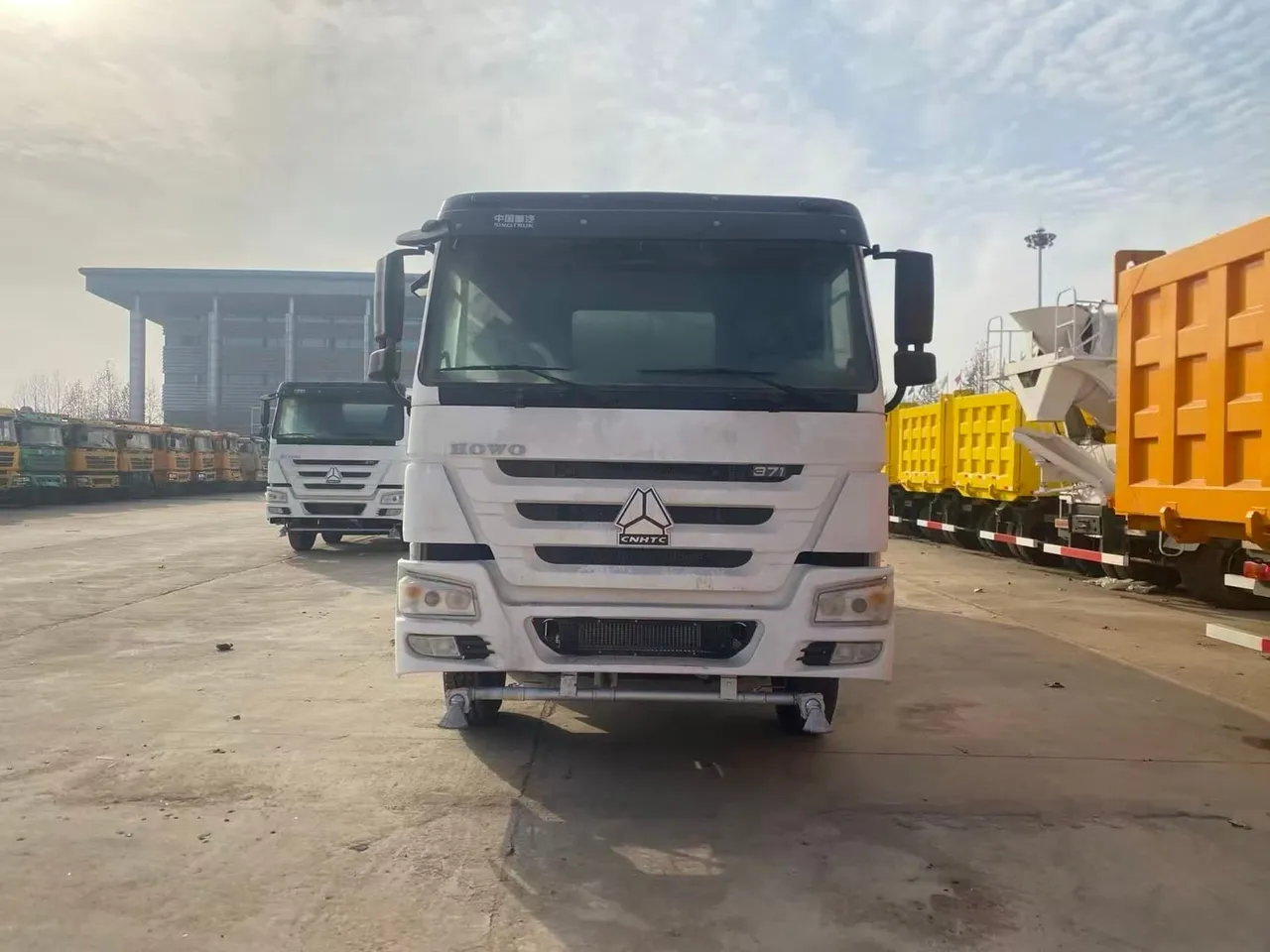
HOWO 6×4 Water Tanker (15,000–18,000 L)
WD615.47 engine, 371 HP, 6×4 drive, approximately 9.8 m overall length. Carbon-steel or stainless tank, rear spray bar, side jets. Ideal for road construction dust suppression and municipal water delivery. LHD or RHD available.
View Details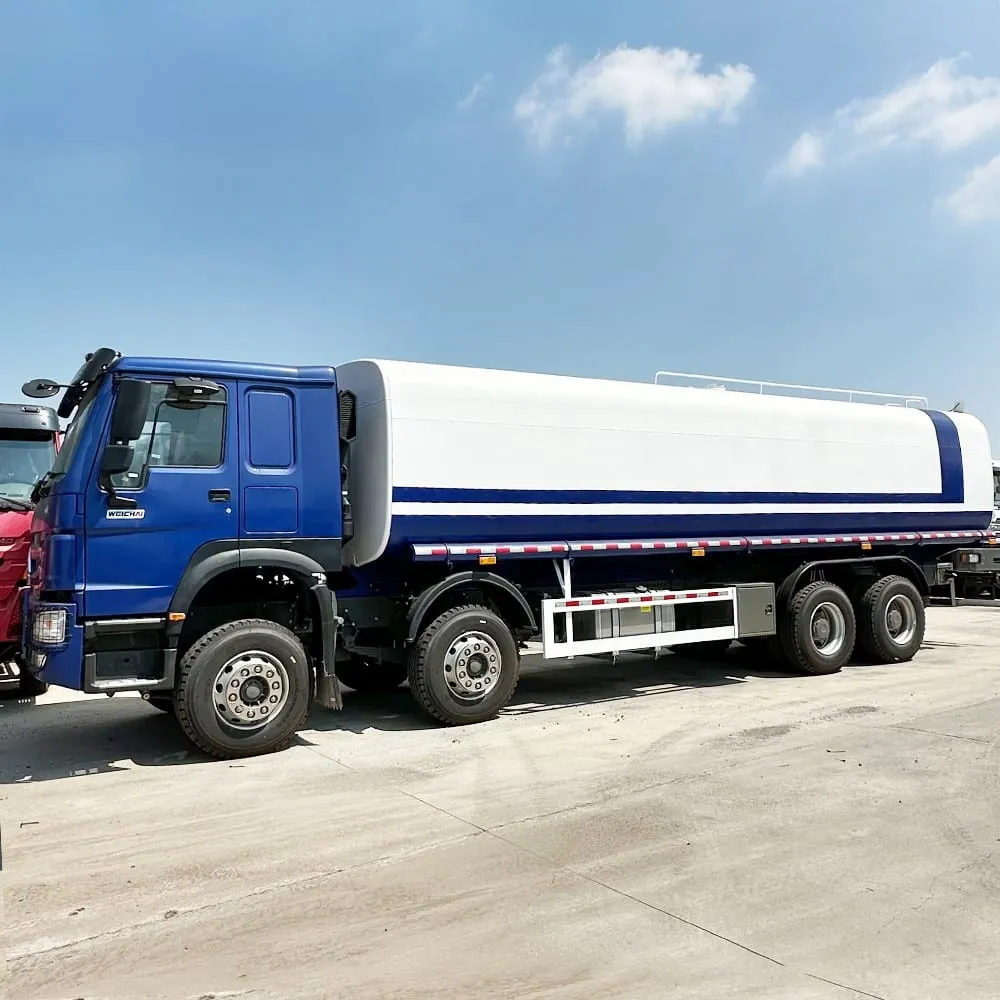
HOWO 8×4 Water Tanker (20,000–25,000 L)
WD615.47 engine, 371 HP, 8×4 drive, approximately 12 m overall length. High-volume water bowser for mining sites, large municipal contracts, and long haul dust suppression routes. Inspected tank welds, baffles, and pump fittings.
View Details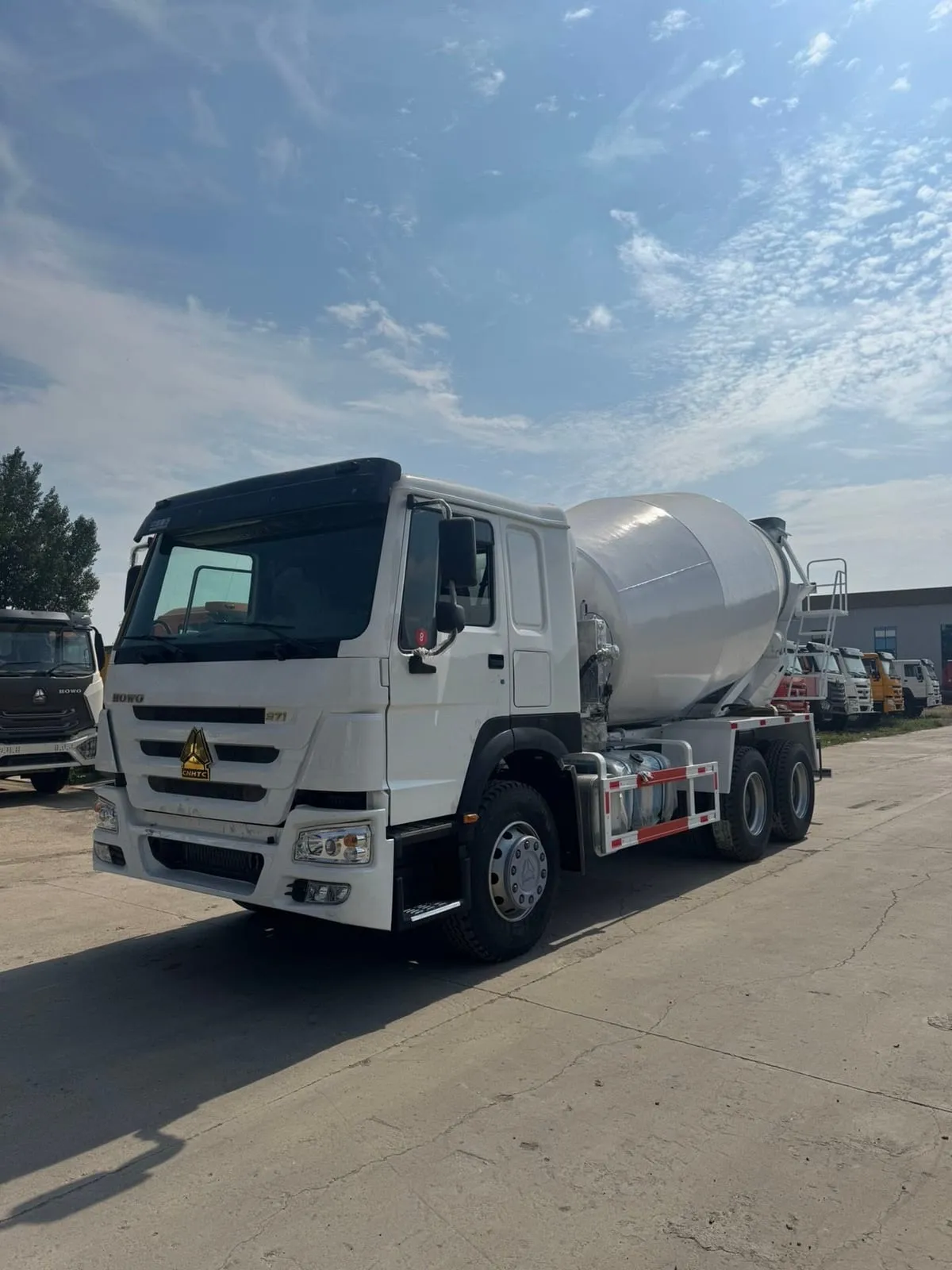
Used Fuel Tanker Truck (15,000–25,000 L)
Aluminium or stainless-steel compartmented tank for diesel, petrol, and lubricating oil. Bottom-loading valves, earthing cables, emergency shut-off, multi-compartment options. ADR-style fittings. HOWO and other Chinese chassis in stock.
View Details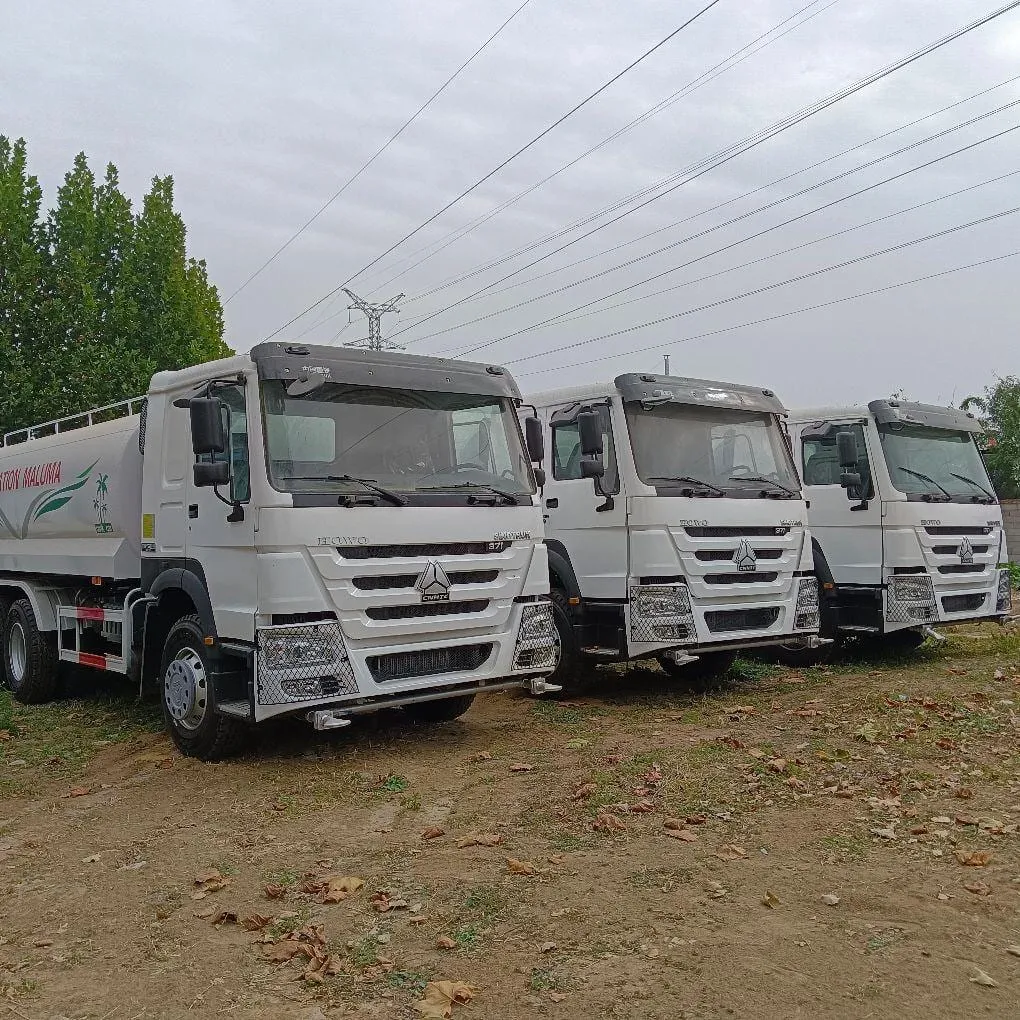
Water Bowser — Municipal & Site Supply
Dedicated water bowser units for municipal delivery and construction site welfare. Carbon-steel tanks, high-flow centrifugal pump, full spray system. Available in 15,000 L and 20,000 L configurations. CIF to East Africa, West Africa, and Gulf markets.
View Details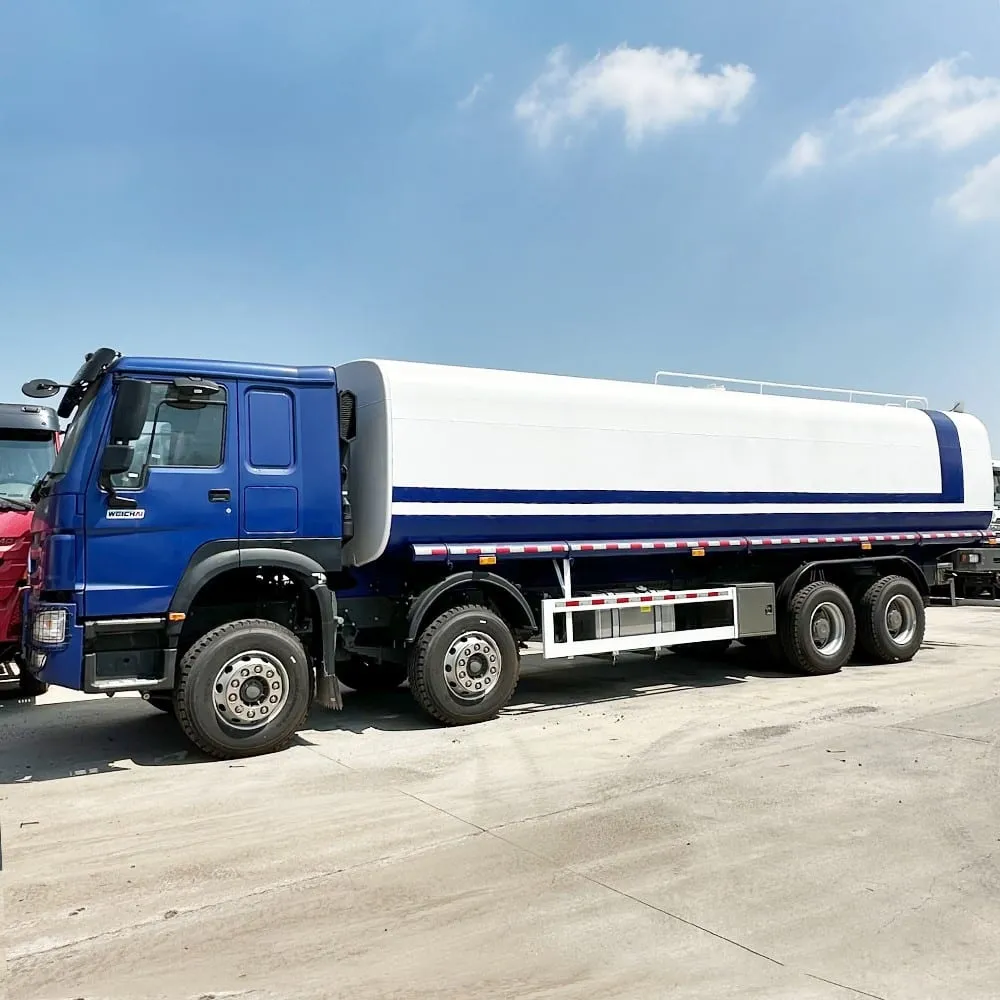
HOWO Truck — Full Model Range
Not sure which HOWO chassis fits your tanker job? Browse the full HOWO range including tippers, tractors, and mixer trucks. All units inspected, refurbished, and available with LHD/RHD conversion and CIF shipping.
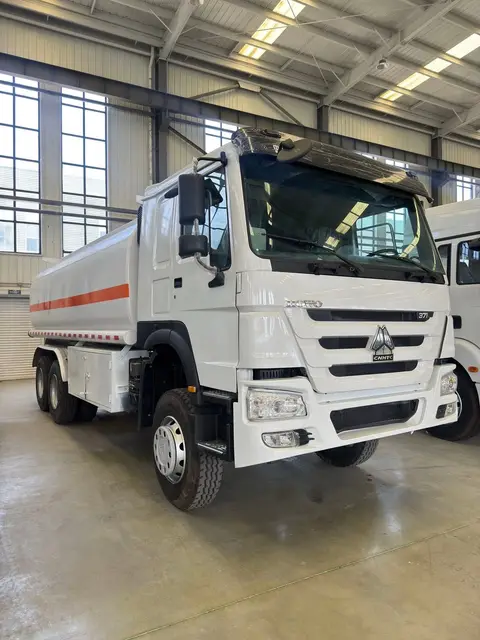
View DetailsReal Photos — Inspected, Export-Ready Units
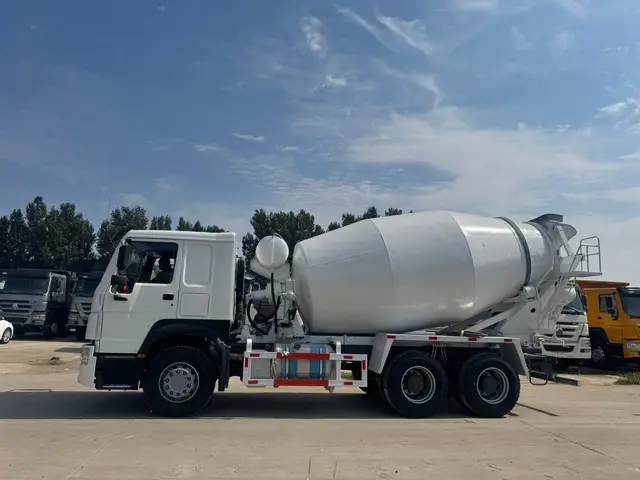
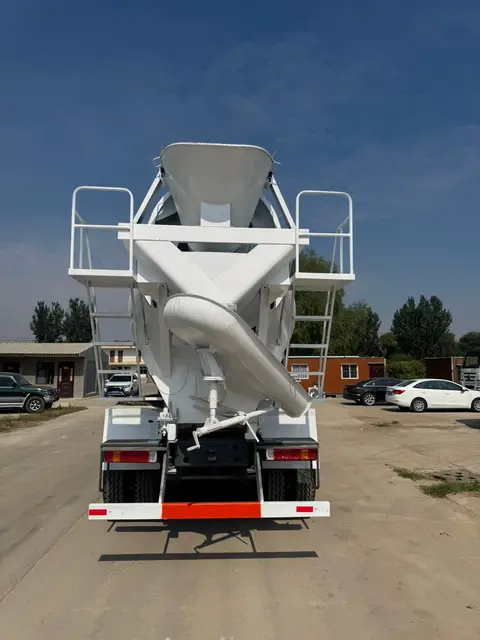
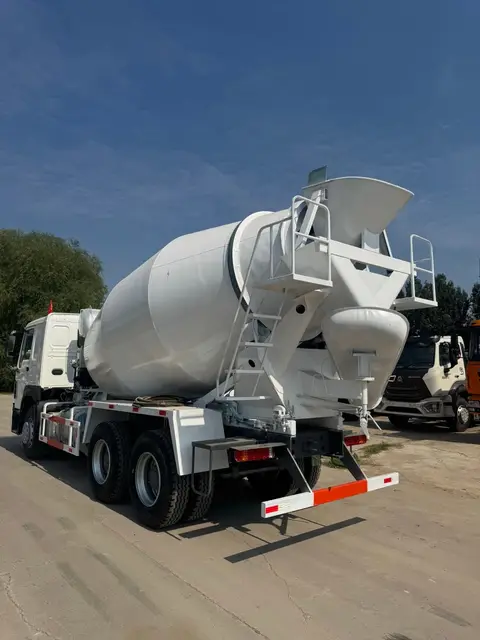
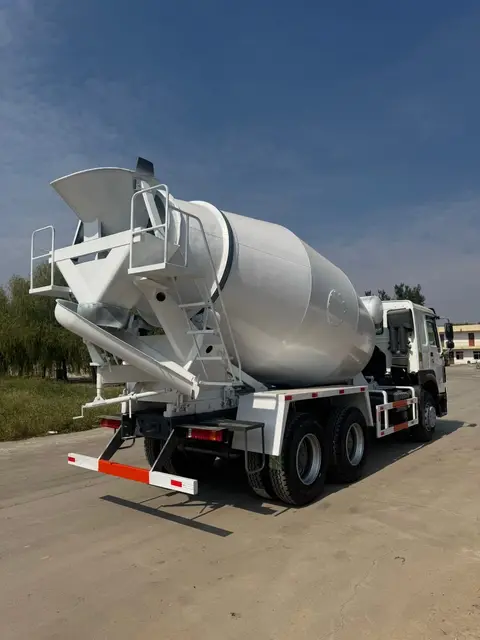
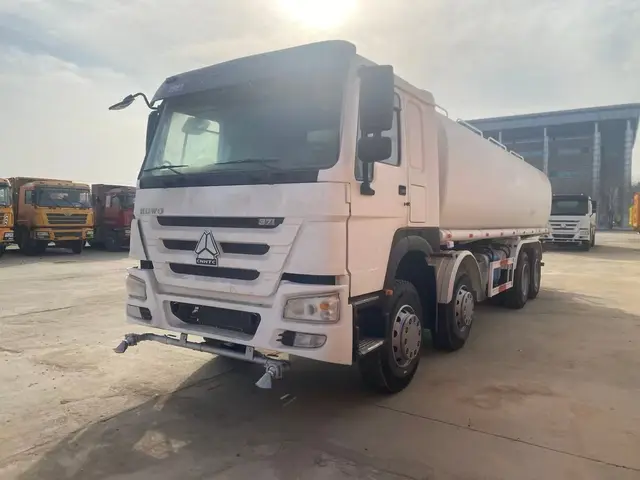
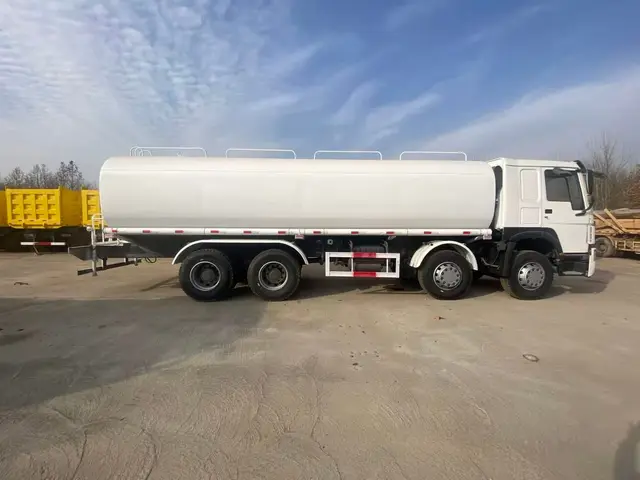
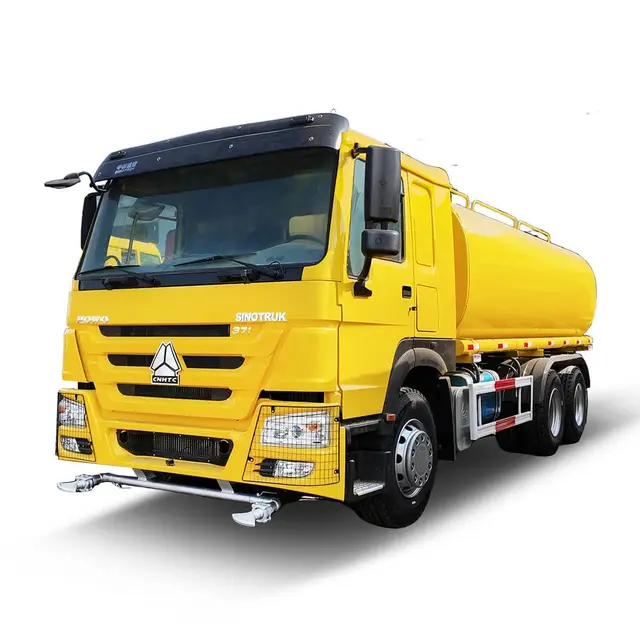
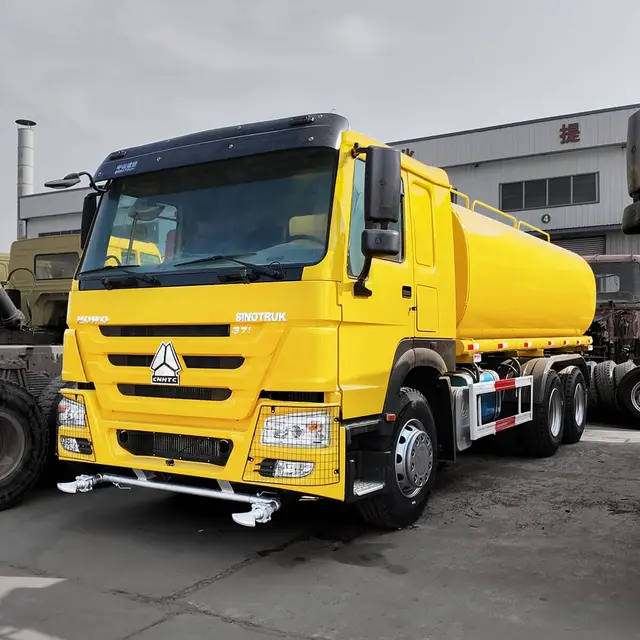
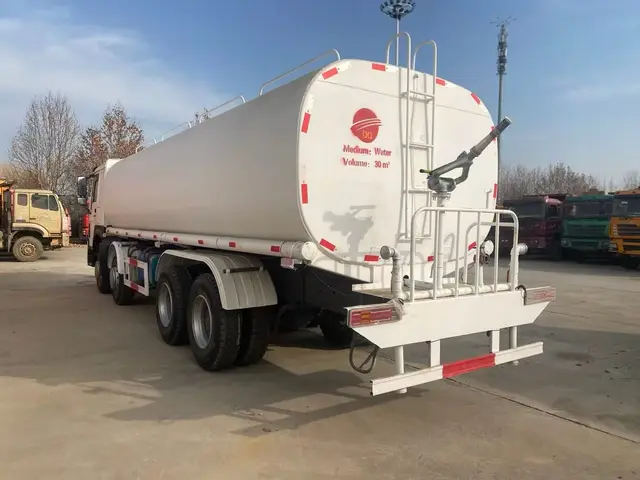
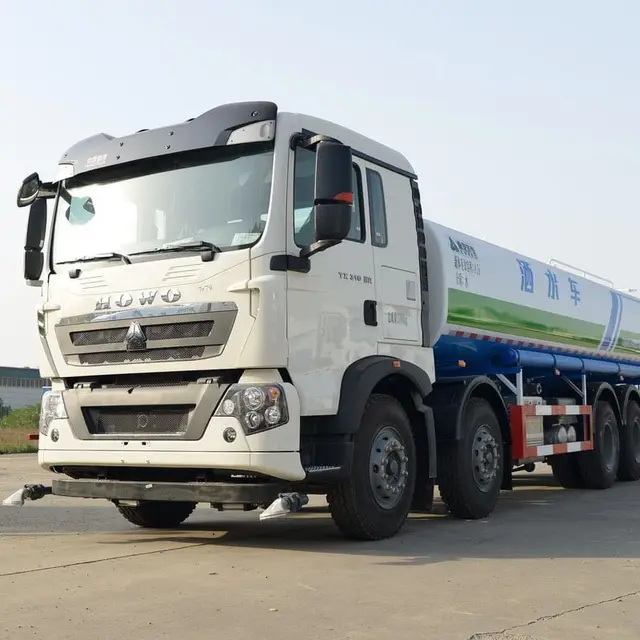
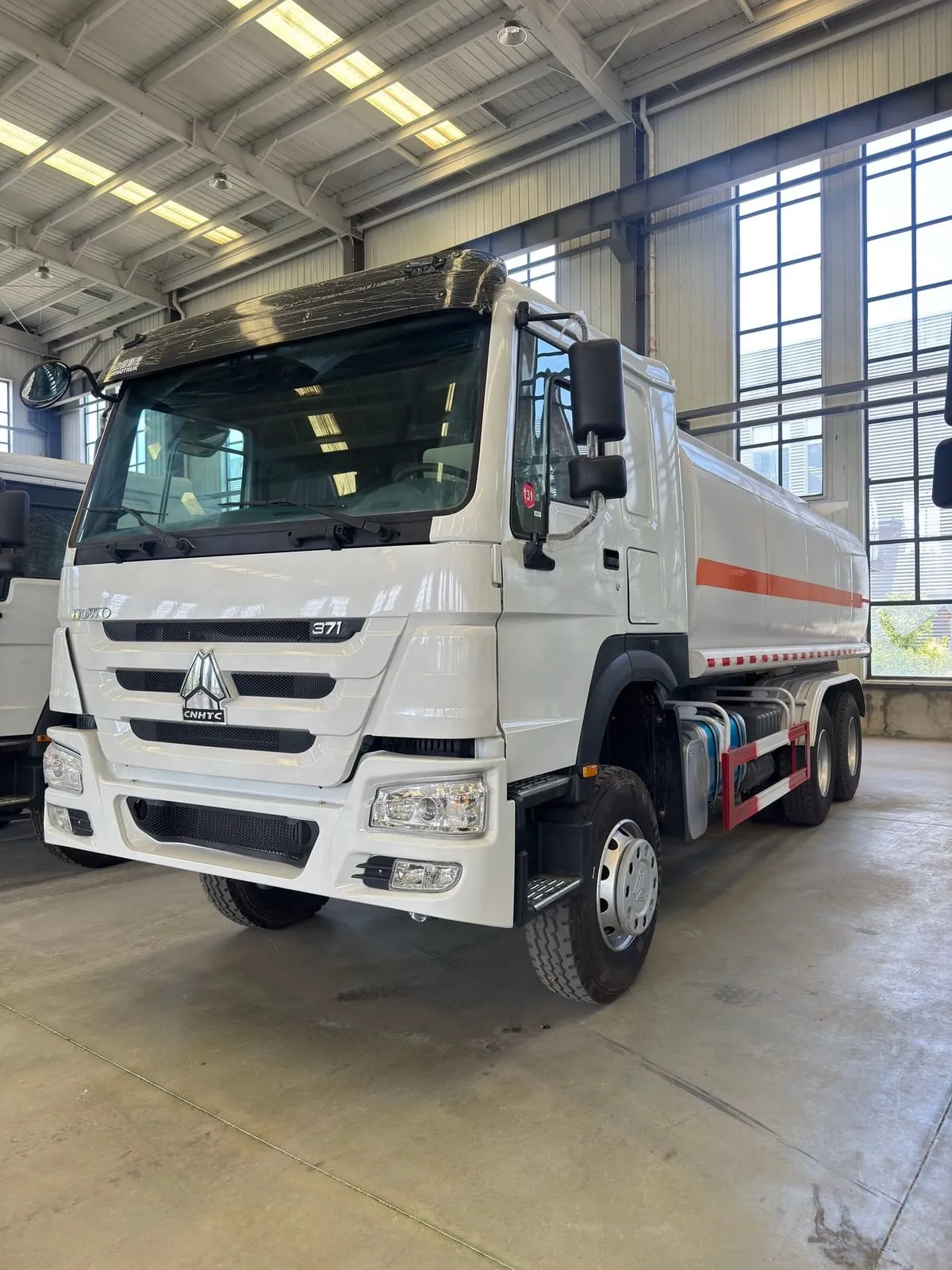
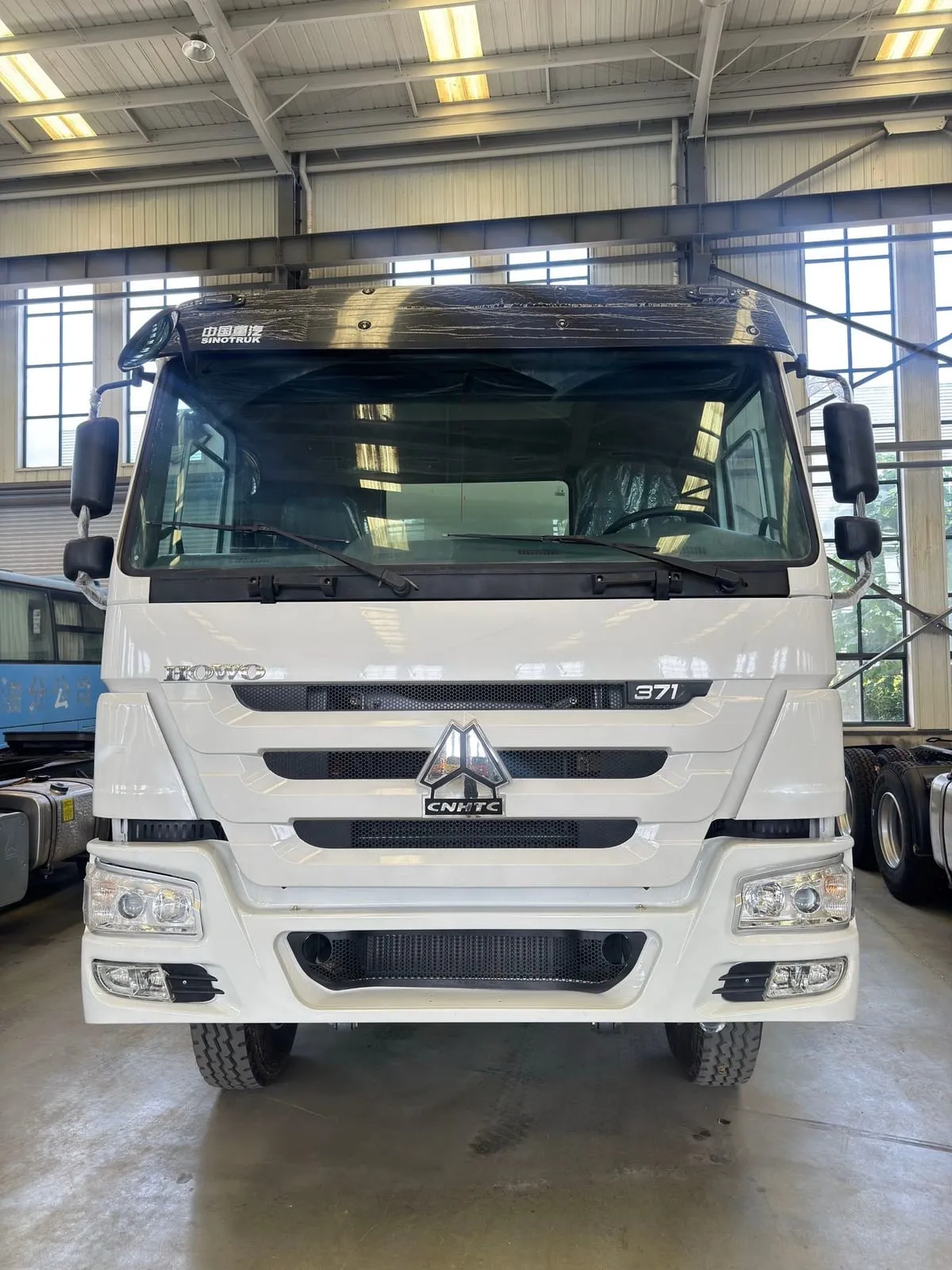
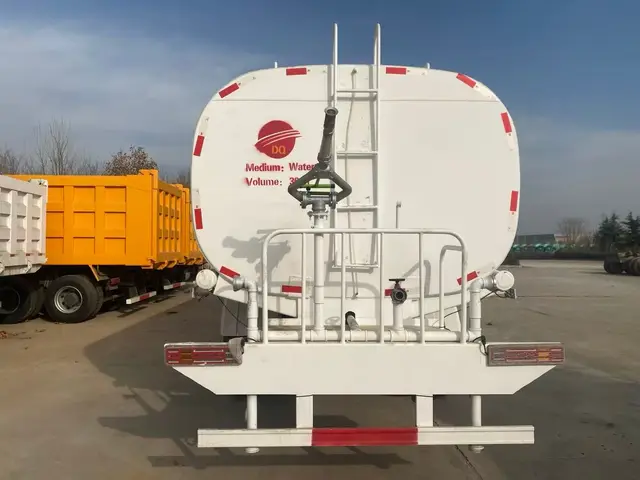
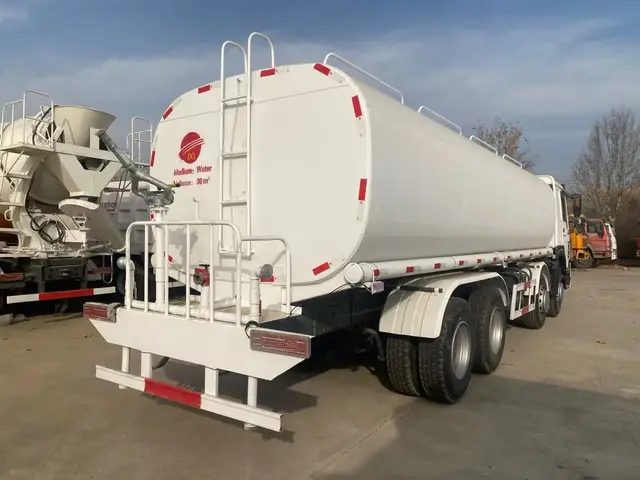
Actual stock and reference units we ship CIF to Africa & the Middle East. Every truck is mechanically inspected and refurbished before loading.
Frequently Asked Questions
What is the difference between a water tanker and a water bowser?
What tank size should I choose — 15,000 or 25,000 litres?
Can you supply a fuel tanker truck with multiple compartments?
Do you convert tanker lorries from LHD to RHD before shipping?
What does your pre-shipment inspection cover for tanker trucks?
What countries do you ship tanker trucks to, and what does CIF mean?
Tell us your cargo, tank size, destination port, and drive side — we will send matching stock with inspection reports and a CIF price within one working day.
Reply within 24 hours — or WhatsApp us at +86 199 6378 9330.