
 English
  Français
  Español
  Português
  العربية
  Русский
  Bahasa Indonesia
  中文
中文 How to Import Used Trucks to Ghana: A Practical Step-by-Step Guide
Ghana is one of West Africa's busiest entry points for commercial vehicles, and the demand for tipper, cargo and tractor units keeps the used market active. The process of importing a truck, however, is shaped by Ghana Revenue Authority (GRA) rules, age-based charges and a left-hand-drive requirement that catch many first-time buyers off guard. This guide walks through how to import used trucks to Ghana accurately — from HS classification and duty components to destination inspection at Tema — so you can budget properly before the vessel sails.
Confirm the Vehicle Is Eligible Before You Buy
The single most common mistake is buying a truck that cannot legally be registered in Ghana. Two rules drive eligibility. First, steering side: Ghana uses right-hand traffic, so imported trucks must be left-hand drive. Many used Chinese tippers and tractor units are built RHD for other markets, so the steering position must be checked or converted before shipment. Sigma Truck performs LHD/RHD conversion in-house, so a HOWO or SHACMAN unit arrives ready for Ghanaian roads.
Second, age. Ghana permits used vehicle imports, but older units typically attract escalating age-based overage charges on top of normal duty. The exact age bands and penalty rates change, so confirm the current thresholds directly with GRA or your clearing agent before paying a deposit. A truck that looks cheap can become expensive once an overage penalty is applied.
Understand HS Classification and the Duty Components
Every truck is cleared under a Harmonised System (HS) code that reflects its type and gross weight — tippers, tractor units and cargo trucks each fall under their own classification, and the code determines the applicable duty rate. Getting this right at the declaration stage avoids reassessment delays.
The landed tax bill in Ghana is built from several layers, not a single figure. You should typically expect import duty, VAT, and a set of levies such as the NHIL and GETFund components, all calculated on the customs value. Additional processing and network charges may apply. Treat any specific percentage you read online as approximate and confirm the current rates with GRA, because these components are periodically revised. The practical takeaway: model your costs as CIF value plus a stack of duties and levies, then add age-based charges where relevant.
Choosing the Truck: HOWO, SHACMAN and Body Type
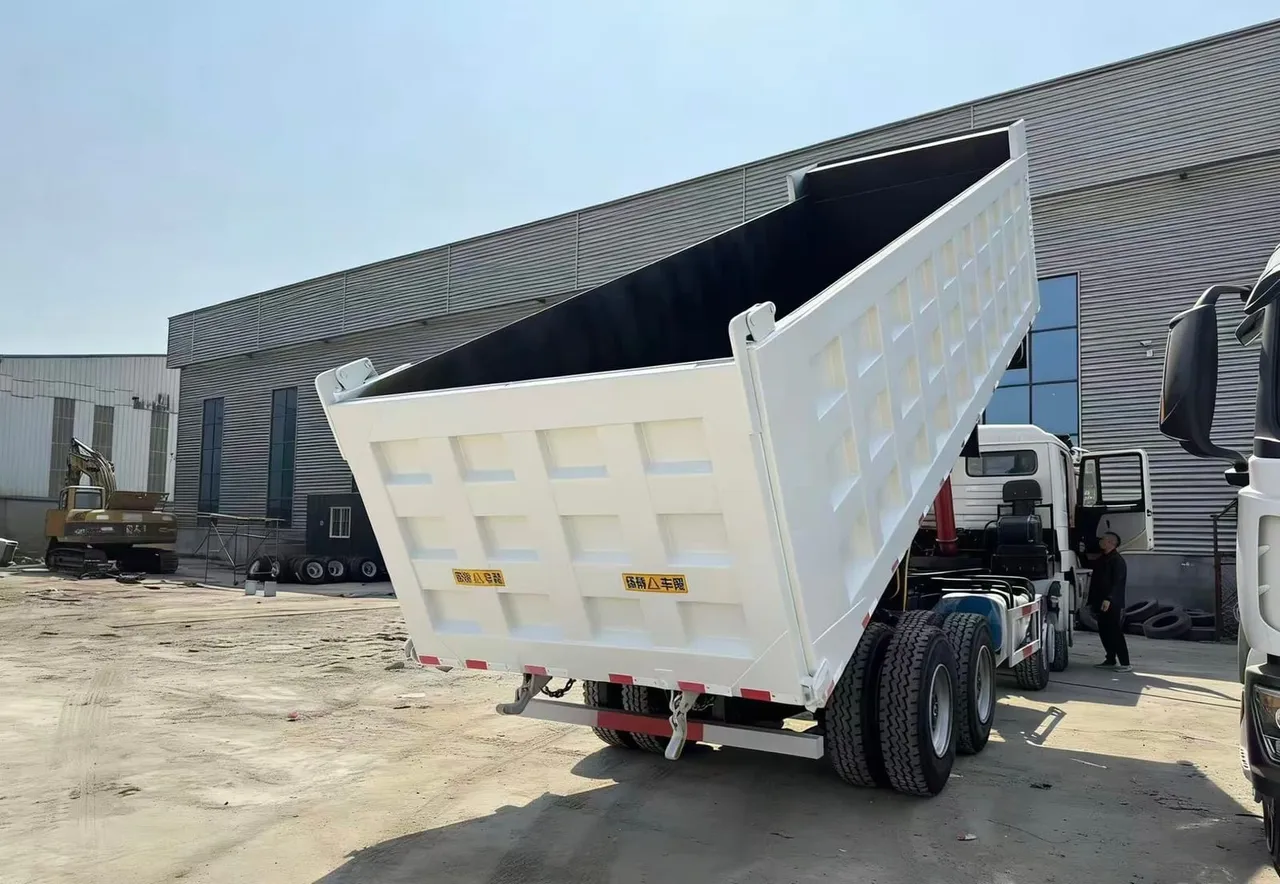
Ghana's mining, quarry and construction sectors lean heavily on robust tipper trucks, which is why used dump trucks are among the most requested units. For aggregate haulage and heavier site work, a 6x4 dump truck offers a good balance of payload and traction, while operators moving the heaviest loads often step up to an 8x4 dump truck.
Long-distance freight and container haulage favour tractor units; a used tractor truck paired with the right trailer covers most corridor work. Across both categories, HOWO trucks and SHACMAN trucks dominate the inspected used Chinese market because parts are widely available across West Africa and the drivetrains tolerate rough roads.
Shipping and CIF to Tema
Most used trucks reach Ghana through the Port of Tema, with Takoradi serving as an alternative, particularly for the western mining belt. Trucks are usually shipped roll-on/roll-off (RoRo) or in containers depending on the unit and route.
Sigma Truck ships on CIF terms, meaning the quoted price covers cost, insurance and freight to the Ghanaian port. That removes the uncertainty of arranging ocean freight and marine cover yourself, and it gives you a clear baseline before duties are added. Once you have the CIF figure, your clearing agent can estimate the total landed cost. For a fuller picture of the ocean leg, see our guide on shipping trucks to West Africa, which covers RoRo versus container considerations for the region's ports.
Destination Inspection, Documents and Clearance
Ghana operates a destination inspection regime, so your shipment is assessed on arrival rather than only at origin. To clear smoothly, assemble the core documents early: the commercial invoice, bill of lading, packing details, and the export/title paperwork for the vehicle. Your clearing agent lodges the customs declaration, the truck is classified and valued, duties and levies are assessed, and inspection is completed before release.
A licensed clearing agent is effectively mandatory in practice — they reconcile the HS code, manage the valuation, and handle port and terminal charges. Choose one experienced with commercial vehicles specifically, as truck valuation and age assessment differ from passenger cars.
Budgeting the True Landed Cost
To avoid surprises, build your budget bottom-up. Start with the CIF price of the inspected truck, then add import duty, VAT and the applicable levies, any age-based overage charge, port and terminal handling, inspection fees, the clearing agent's fee, and inland transport from Tema to your yard. Financing the purchase against a letter of credit is common for larger fleet orders; our payment and LC guide explains how to structure that safely. Working from CIF upward — rather than from the sticker price — keeps the final number honest.
Frequently Asked Questions
Can I import a right-hand-drive truck into Ghana?
How old a truck can I import to Ghana?
What taxes apply when importing a truck to Ghana?
Which port should I use?
Do I need a clearing agent?
Ready to import? Sigma Truck ships inspected, LHD-converted HOWO and SHACMAN trucks CIF to Tema — request a quote with your target spec and we'll model the landed cost with you.
Reply within 24 hours — or WhatsApp us at +86 199 6378 9330.